In an era marked by complex regulations, shifting trade policies, and heightened geopolitical uncertainty, treasury professionals need better visibility into cash flows, reliable forecasting of payments and receipts, and flexible working capital management. How are these challenges impacting commercial real estate companies, and how are they using artificial intelligence (AI) to improve cash management? What’s motivating their adoption of these advanced technologies?
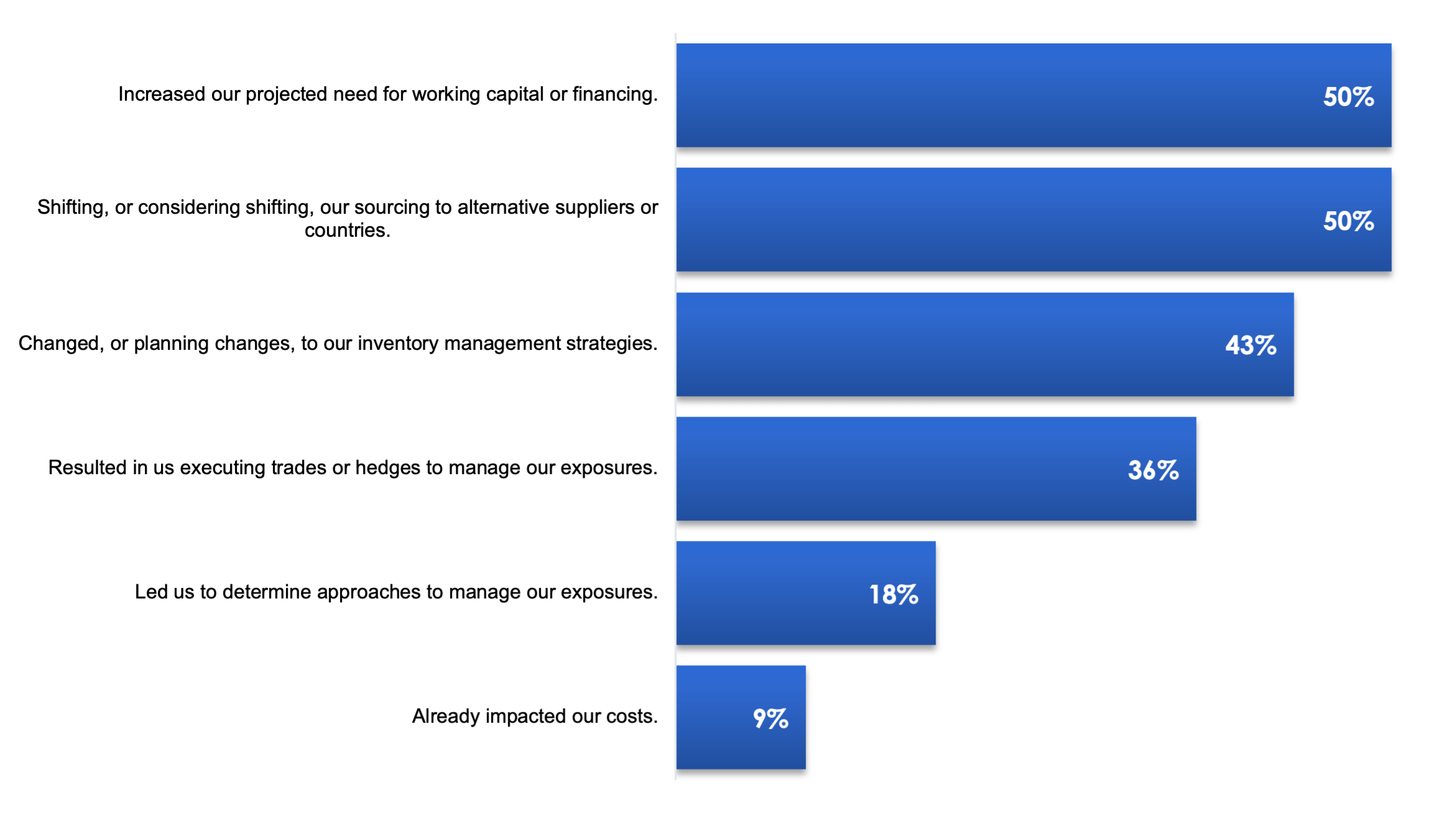
To answer these questions, the Cash Management in an AI World survey collected insights from more than 250 treasury professionals across a range of industries including commercial real estate, manufacturing, healthcare, higher education, warehousing, and transportation and logistics. This blog will spotlight the findings specific to treasury practitioners in commercial real estate, exploring how their teams are redefining risk management, adjusting supply chain strategies, and responding to rising costs (see Figure 1). We’ll examine how these transformations shape their approach to cash management in 2025.
Commercial real estate treasury teams have changed how they identify and manage risk exposures, redirect supply chain strategies, and experience cost increases. How do these changes impact cash management?
Figure 1: Impacts of Global Uncertainty on Cash Management for Commercial Real Estate in 2025
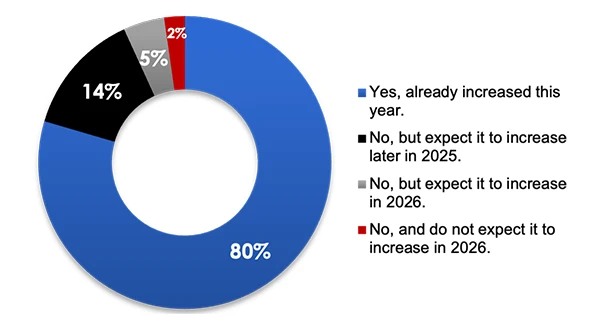
In 2025, economic volatility led to notable increases in both Days Sales Outstanding (DSO) and Days Payable Outstanding (DPO), as shown in Figures 2 and 3. These developments underscore the growing importance of making data-driven decisions regarding cash flow management.
Figure 2: DSO Trends for Commercial Real Estate Treasury in 2025
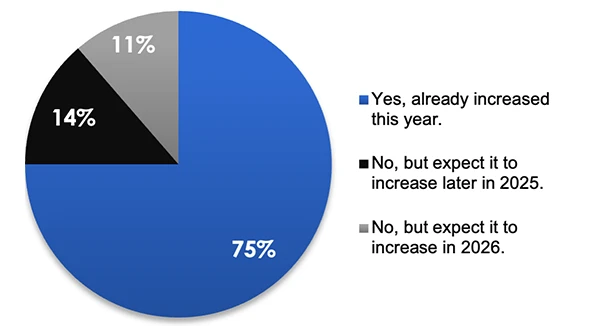
Figure 3: DPO trends for Commercial Real Estate Treasury in 2025.
Commercial real estate companies are increasingly using AI to enhance various aspects of cash management. According to the survey, at least 20% of respondents have implemented AI in one or more areas: cash forecasting (55%), accounts payable (43%), accounts receivable (20%), and fraud detection (23%). (See Figure 4)
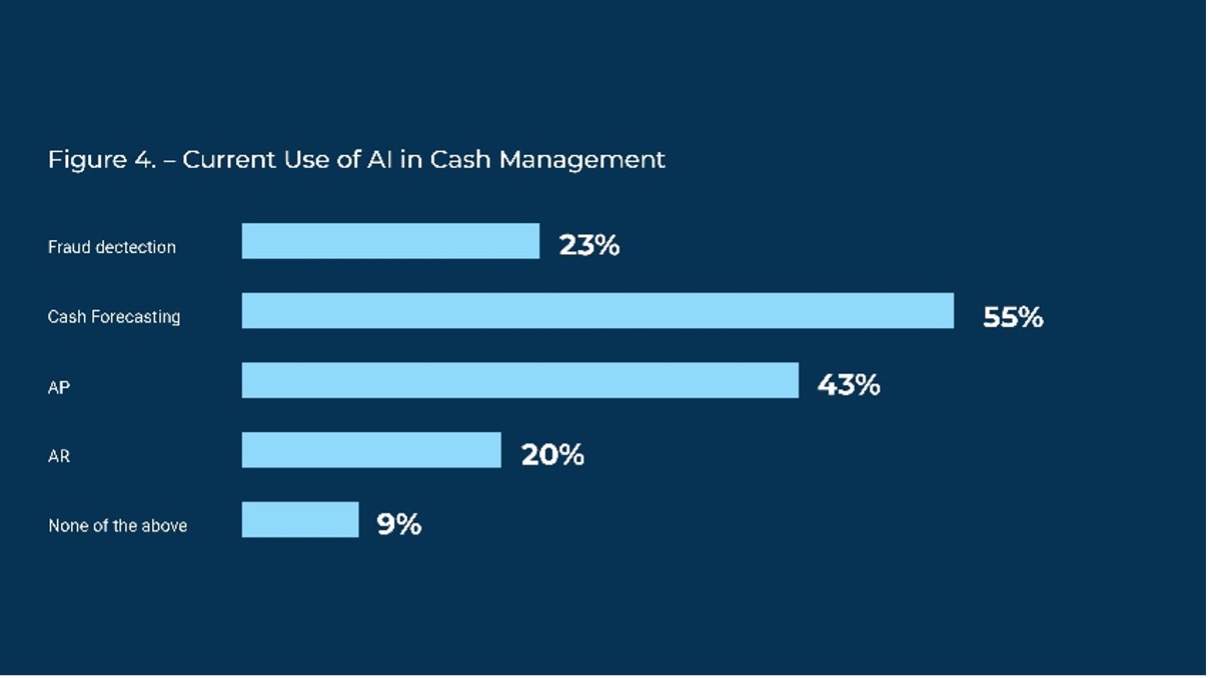
The expansion of AI adoption beyond cash forecasting is closely linked to the fact that treasury departments often have direct oversight of accounts payable (AP) and accounts receivable (AR). Since successful cash forecasting depends on accurately understanding and predicting both cash inflows and outflows, it is logical for companies to leverage AI across these processes.
What drives commercial real estate professionals to adopt AI in treasury functions? A closer look at the primary challenges in cash management provides some answers.
Finance leaders most frequently cite the following cash management obstacles: limited visibility into bank account activity, poor collaboration between treasury and AP/AR colleagues, inconsistent policies and procedures, and ongoing regulatory changes. By investing in AI for fraud detection, AP, AR, and cash forecasting, companies can address and reduce these challenges, ultimately improving overall cash management.
AI Adoption in Commercial Real Estate Treasury
- Treasury teams in commercial real estate and higher education play a purely transactional role more often than those practicing treasury at manufacturing or healthcare.
- Increases in costs have been less pervasive in commercial real estate than in manufacturing, healthcare, and higher education.
- The use of AI in fraud detection, AP, and AR is less prominent in commercial real estate compared to manufacturing, healthcare, and higher education.
Survey Insights: Key Takeaways
- Unprecedented global market dynamics in 2025 have increased DSO and DPO at companies of all sizes across diverse industries.
- Top cash management challenges include unanticipated regulatory changes, limited visibility into cash positions, and lack of collaboration between treasury, AP, and AR teams.
- To manage cash more effectively, treasury teams should identify and reduce cash management silos within their own teams, and between AP/AR and treasury.
- AI adoption in CRE treasury is common in areas such as cash forecasting, fraud prevention, AP, and AR.
- Key objectives for adopting treasury technology include increasing security and control around financial processes, gaining better data visibility for improved decision-making, and automating manual/repetitive tasks.
- Companies are investing in technology training, business partnering, and upgrades to cash management, data management, and data analytics tools.
- Despite AI adoption, CRE companies plan to add treasury staff in 2026.
Next Steps for Commercial Real Estate Treasury Leaders
- Invest in AI-driven tools to improve cash forecasting and fraud prevention.
- Strengthen collaboration between AP, AR, and treasury.
- Prioritize technology training to support automation and efficiency.
Download the full white paper for benchmarks and actionable strategies.
Share